
Repairs That Stop Further Damage
Septic Repairs in Silex for broken lines, drainage failures, and malfunctioning components on residential and farm properties
Heavy rain saturates a drainage field, tree roots crack a distribution line, or settling soil damages a tank baffle—septic problems develop from weather, age, and site conditions common across rural Missouri. Quick response and accurate diagnosis minimize property disruption and prevent sewage backups that damage landscaping or contaminate groundwater. Bruce Tucker & Sons Septic Systems and Grading LLC troubleshoots and repairs damaged septic systems, working on older rural installations and newer residential setups throughout eastern Missouri.
Repairs address broken distribution lines, failed drainage fields, cracked tanks, damaged baffles, and blockages that prevent wastewater flow. Diagnosing the problem involves inspecting visible components, testing drainage field absorption, and sometimes excavating to locate underground damage. Repair work is matched to the customer's budget and the system's remaining lifespan, with honest recommendations about whether fixing the current system or planning for replacement makes more sense.
Schedule a diagnostic visit if you're experiencing backups, odors, or drainage problems.
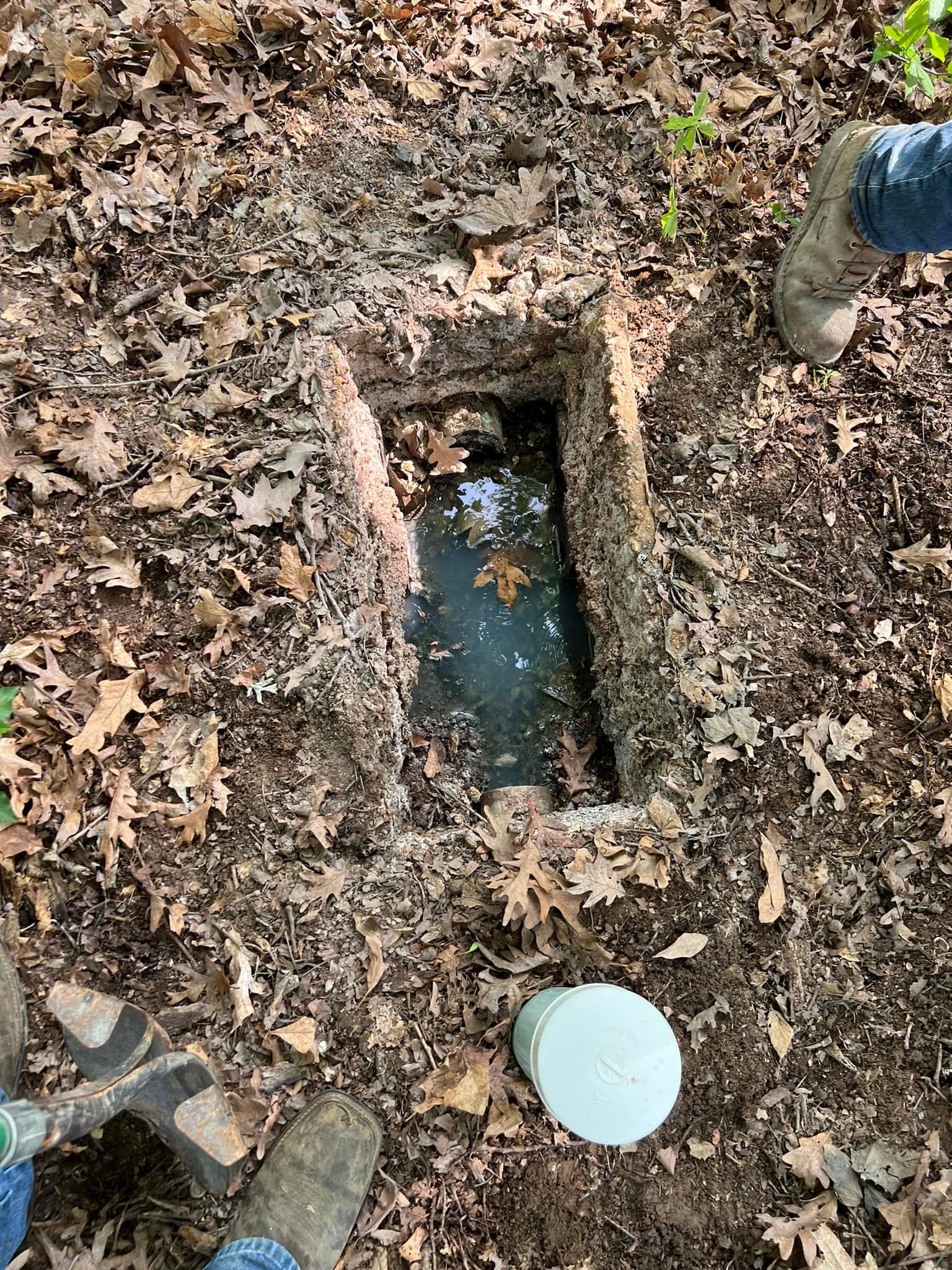
What Changes After Repairs Are Completed
Repair work begins with excavation to access damaged components, removal of broken pipes or failed materials, and installation of replacement parts that restore proper flow and drainage. On properties where soil movement or root intrusion caused the failure, site conditions are addressed to reduce the risk of repeat damage.
Once repairs are finished, wastewater drains normally throughout the house, the drainage field remains dry on the surface, and odors disappear from around the tank and yard. The system processes household wastewater without backups, and you avoid the expense and disruption of emergency service calls or temporary workarounds.
Repair options depend on the extent of damage and whether other components show signs of wear. For example, replacing a single broken line differs significantly from addressing widespread drainage field failure, and pricing reflects the scope of work required to restore function.
What Property Owners Usually Ask
Homeowners dealing with septic malfunctions want to know what caused the problem and how quickly it can be fixed.
What causes septic lines to break or fail?
Soil shifting from freeze-thaw cycles, root intrusion from nearby trees, heavy vehicle traffic over the drainage field, and age-related material deterioration all contribute to line failures.
How are septic problems diagnosed?
Diagnosis involves inspecting accessible components, testing tank function, evaluating drainage field saturation, and sometimes excavating to locate underground damage or blockages.
Why do drainage fields fail on older systems in Silex?
Biomat buildup in the soil, compaction from repeated saturation, and clay soil's limited percolation capacity all reduce drainage field effectiveness over time, especially on systems that haven't been maintained regularly.
What repairs are typically needed for rural septic systems?
Common repairs include replacing cracked distribution lines, rebuilding damaged baffles, addressing drainage field saturation, and fixing inlet or outlet blockages that restrict wastewater flow.
When should a system be repaired versus replaced?
Repair makes sense when damage is localized and the rest of the system remains functional, while replacement becomes more practical when multiple components have failed or the system no longer meets household capacity needs.
Bruce Tucker & Sons Septic Systems and Grading LLC provides fair pricing and practical repair solutions for homeowners across eastern Missouri. Reach out to schedule troubleshooting and repair service for your septic system.