Routine Care That Prevents System Failures
Septic Maintenance in Silex for rural homes, farm properties, and long-term homeowners managing aging systems
Slow drainage in sinks or toilets, odors near the tank or drainage field, and standing water over the leach lines signal that a septic system needs attention. Bruce Tucker & Sons Septic Systems and Grading LLC provides maintenance services that include inspections, system evaluations, and recommendations based on current condition and household usage patterns. Maintenance visits assess tank sludge levels, check for cracks or leaks, and evaluate whether the drainage field still absorbs effluent properly.
Regular maintenance catches problems before they escalate into backups or complete system failures. In clay-heavy Missouri soils, drainage fields can lose percolation capacity over time as biomat layers thicken or soil compaction increases, especially during wet seasons when water tables rise. Evaluations identify whether the system requires pumping, line repairs, or adjustments to prolong its functional lifespan.
Arrange a system evaluation to assess current performance and identify maintenance needs before issues worsen.
How Maintenance Prevents Costly Repairs
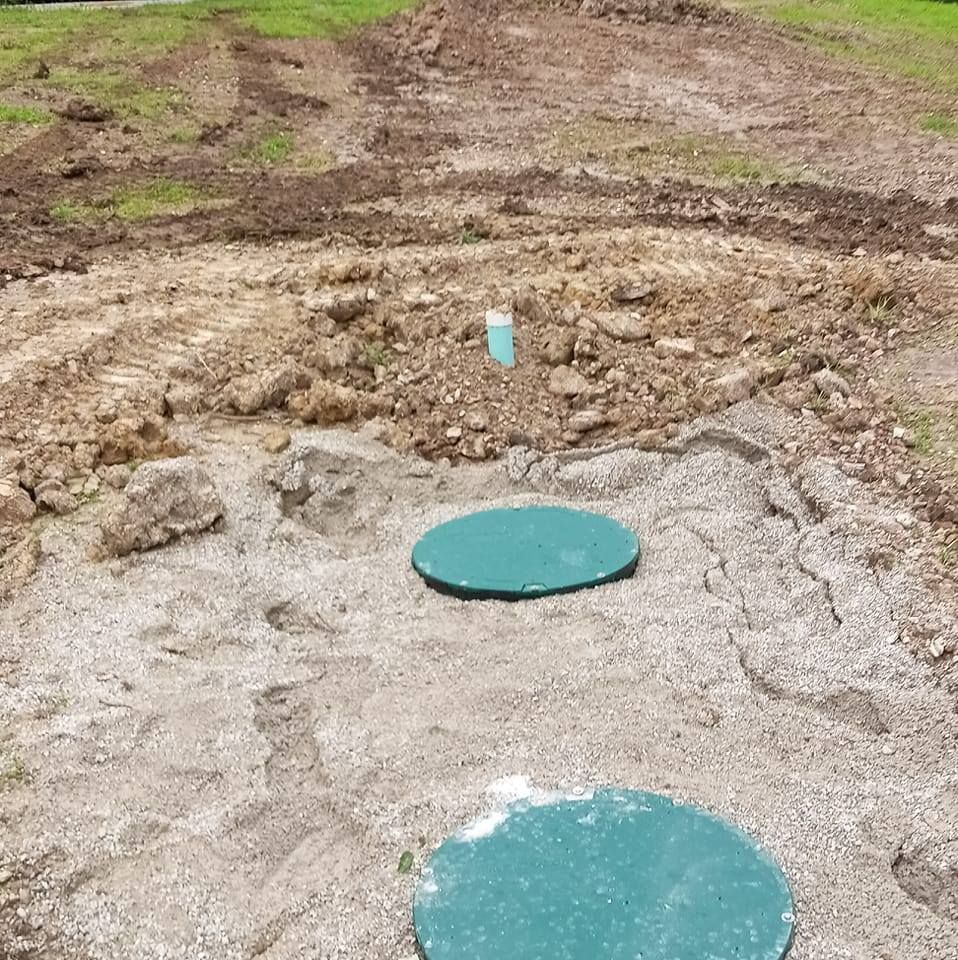
Maintenance begins with visual inspection of the tank access points, drainage field surface, and any visible components like risers or distribution boxes. The tank is measured for scum and sludge accumulation, and the inlet and outlet baffles are checked for blockages or damage that restricts flow.
After routine maintenance, you'll notice consistent drainage throughout the house, no sewage odors indoors or outside, and a dry drainage field without soft spots or pooling water. Systems maintained on schedule continue processing wastewater efficiently and avoid the expense of emergency repairs or premature drainage field replacement.
Recommendations are based on what the system actually needs rather than unnecessary service upselling. Factors like household size, water usage habits, and whether the property has a garbage disposal all affect how often pumping or inspections should occur.
Answers to Frequent Service Questions
Homeowners managing septic systems on rural properties often have questions about maintenance frequency and warning signs.
How often should septic systems be inspected in Silex?
Most residential systems benefit from inspection every three to five years, though properties with heavy usage, older tanks, or known soil drainage issues may need more frequent evaluations.
What warning signs indicate a septic problem?
Gurgling sounds in drains, sewage odors near the tank or inside the home, slow-draining fixtures, and wet areas over the drainage field all suggest the system is struggling to process wastewater.
Why does clay soil affect septic maintenance needs?
Clay holds water longer than sandy or loamy soils, which slows drainage field absorption and increases the risk of saturation during rainy periods or when household water use spikes.
What does a maintenance visit include?
The visit includes measuring tank levels, inspecting baffles and access points, evaluating drainage field condition, and providing straightforward recommendations based on system age and performance.
When should maintenance be scheduled for older systems?
Older systems benefit from annual inspections to catch deterioration early, especially if the property has experienced past backups or the drainage field shows signs of reduced absorption.
Bruce Tucker & Sons Septic Systems and Grading LLC provides honest assessments and practical maintenance plans for rural homeowners throughout eastern Missouri. Request a maintenance inspection to keep your system functioning reliably.