
Water Flow Managed Before Flooding Starts
Culvert Installation in Silex for rural properties where storm runoff crosses driveways, threatens erosion, or blocks access during heavy rain
Missouri storm runoff can turn a minor drainage issue into a washed-out driveway or eroded property access within a single heavy rain event if water has no controlled path across your land. Culvert installation creates that path by placing drainage pipe beneath driveways, private roads, or farm access routes, allowing water to flow through rather than over the surface. Bruce Tucker & Sons Septic Systems and Grading LLC installs culverts for residential properties, farms, and rural acreage in Silex and surrounding communities, using excavation, grading, and erosion control to ensure long-term drainage performance. The company works with property owners who need new access routes constructed or existing drainage upgraded to handle seasonal water flow without washing out.
Installation involves excavating the route where water naturally flows, grading the ditch to direct runoff into the culvert opening, placing pipe at the correct slope and depth, and backfilling with compacted material that prevents settling or pipe movement. Site preparation includes evaluating upstream water sources and downstream flow paths to size the culvert appropriately for the volume it will carry during peak runoff events.
Request a drainage assessment to identify where culverts are needed and what size pipe will handle your property's water flow.
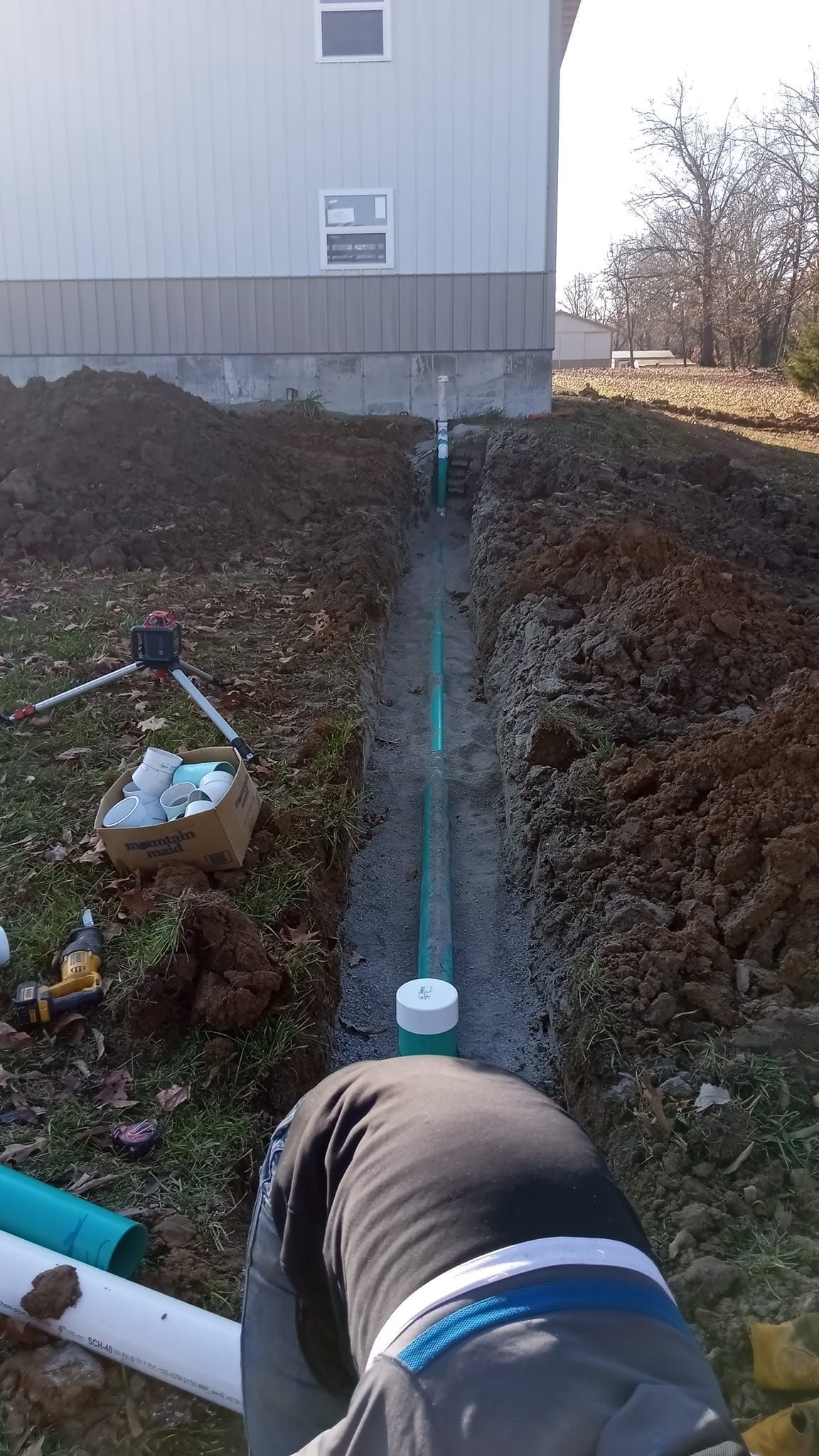
How Proper Installation Prevents Future Drainage Problems
Culvert performance depends on matching pipe diameter to the volume of water crossing the property, setting the inlet and outlet elevations to maintain flow without creating backups, and compacting backfill material so the driveway or road surface above doesn't settle into voids around the pipe. Erosion control during installation prevents soil from washing into the culvert or accumulating at the outlet where it can block flow and redirect water unpredictably.
Once installed, you'll see storm runoff flowing beneath your driveway instead of washing gravel into ditches, access routes that remain passable during and after heavy rain, and erosion that stops expanding along drainage paths. Careful site preparation reduces the likelihood of future problems caused by undersized pipe, improper slope, or backfill that shifts under traffic weight.
The work accounts for local weather patterns that produce sudden, heavy rainfall and soil conditions that affect how quickly water moves through culverts. Bruce Tucker & Sons Septic Systems and Grading LLC provides honest recommendations about pipe size and placement based on what your property's drainage actually requires, not what might seem adequate during dry conditions.
What Landowners Want to Know About Culverts
Culvert projects raise questions about sizing, materials, and long-term maintenance, especially for rural properties where drainage problems can escalate quickly.
What size culvert do I need for a residential driveway?
Most residential driveways crossing small drainage areas use 12- to 18-inch diameter pipe, though sizing depends on the watershed area upstream, soil type, and how much rain the region typically receives during peak storm events.
How does grading affect culvert performance?
Grading creates the slope that keeps water flowing through the pipe rather than pooling at the inlet, and it shapes the ditch that directs runoff into the culvert opening instead of around it.
What happens if a culvert is installed at the wrong slope?
Pipe that's too flat allows sediment to settle inside and reduce flow capacity, while pipe that's too steep can cause erosion at the outlet where fast-moving water exits onto unprotected soil.
How deep should a culvert be buried under a driveway?
Culverts need enough cover to support vehicle weight without crushing the pipe, typically 12 to 18 inches of compacted fill above the top of the pipe for residential traffic in Silex and similar rural areas.
What material is used for culvert pipe?
Corrugated metal pipe and high-density polyethylene pipe both handle residential and farm drainage, with material selection based on soil acidity, expected lifespan, and load-bearing requirements for the surface above.
Bruce Tucker & Sons Septic Systems and Grading LLC installs culverts for farms, private roads, and residential properties throughout rural Missouri. Schedule an on-site evaluation to review your drainage situation and discuss installation options.