Inspections That Reveal System Condition
Septic Inspections in Silex for home sales, property purchases, and maintenance planning on rural acreage
Septic inspections provide detailed evaluations of tanks, distribution lines, drainage fields, and overall system condition for buyers purchasing rural properties, sellers preparing for real estate transactions, and homeowners planning maintenance schedules. Bruce Tucker & Sons Septic Systems and Grading LLC conducts inspections across eastern Missouri, identifying issues tied to aging systems, Missouri soil conditions, and wear from long-term use. Inspections measure tank sludge levels, test drainage field absorption, check for leaks or structural damage, and confirm the system meets current code requirements.
The process involves uncovering tank access points, inspecting baffles and inlet/outlet connections, evaluating the drainage field for signs of saturation or failure, and documenting findings in straightforward language that buyers, sellers, and lenders can understand. For acreage properties where septic history is unknown or records are incomplete, inspections reveal whether the system functions properly or requires repairs before closing.
Request an inspection to assess septic condition before purchasing property or listing a home for sale.
What Inspections Actually Accomplish
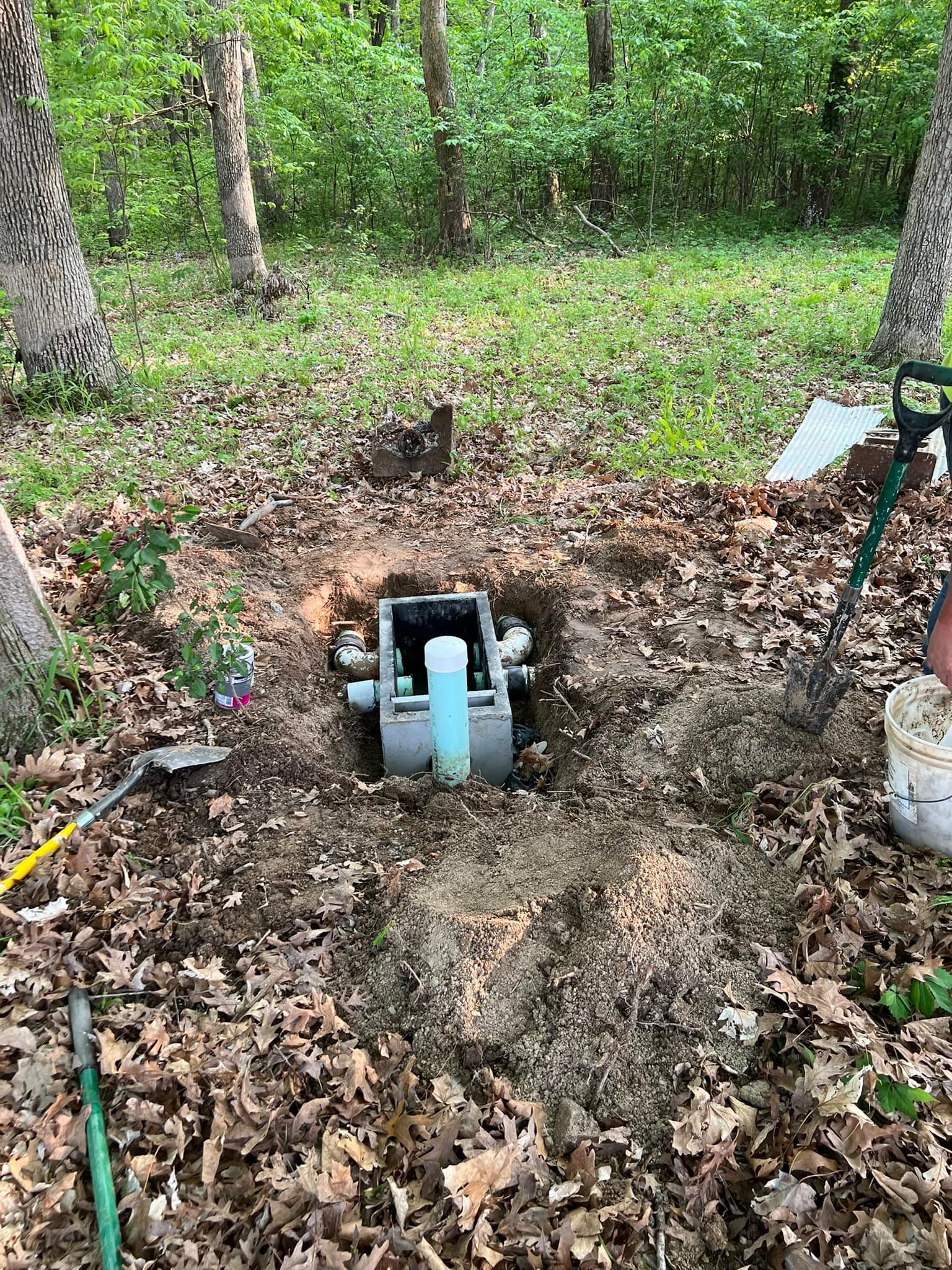
Inspections begin with locating the tank and drainage field, uncovering access risers if they're buried, and visually assessing above-ground indicators like vegetation patterns or soil wetness. The tank is opened to measure scum and sludge layers, inspect baffles for damage, and confirm the outlet flows freely into the distribution system.
After the inspection, you receive a written report detailing the system's condition, noting any defects or maintenance needs, and estimating remaining functional lifespan based on observed wear. Buyers gain clarity about potential repair costs or replacement timelines, while sellers can address issues proactively or adjust listing expectations based on accurate information.
Inspections also identify whether the system size matches current property use, whether components meet code standards, and how soil conditions or site grading affect long-term performance. Honest reporting ensures all parties understand the system's status without exaggeration or downplaying of concerns.
Common Questions About This Service
Buyers and property owners preparing for inspections often ask about the process and what findings mean.
What does a septic inspection include for property sales?
The inspection covers tank condition and capacity, baffle integrity, drainage field functionality, sludge and scum levels, visible leaks or damage, and whether the system meets current code standards.
How long does an inspection take on rural properties in Silex?
Most inspections take one to two hours depending on whether tank access points are visible or buried and whether the drainage field location is clearly marked.
Why do older systems in Missouri fail inspections?
Common issues include undersized tanks for current household occupancy, deteriorated baffles, saturated drainage fields from clay soil compaction, and lack of maintenance records showing regular pumping.
What problems do inspections typically uncover?
Inspections often reveal high sludge levels indicating overdue pumping, cracked tank walls or lids, missing or damaged baffles, and drainage fields showing surface wetness or vegetation stress patterns.
When should septic inspections be scheduled during home purchases?
Schedule inspections during the due diligence period after the offer is accepted but before closing, allowing time to negotiate repairs or adjust sale terms based on findings.
Bruce Tucker & Sons Septic Systems and Grading LLC delivers dependable scheduling and professional communication throughout the inspection process. Contact us to arrange a septic evaluation for your property transaction or maintenance planning needs.